Start with the people
on both sides.
Educators needed confidence in what they found. Providers needed ownership of what others found about them.
Is this right for my needs?
A clear audience and purpose help educators recognize a relevant tool.
Will the right educators find us?
Relevant product information gives educators a way to discover the offering.
What helps me evaluate it?
Product information and trust signals support a more informed next step.
Can we represent our product clearly?
Providers need control over their listing and how their product is presented.
How do I learn more?
Discovery needs a path to ask questions and contact the provider.
Can interest become a conversation?
A path for inbound inquiries connects discovery with provider participation.
Different needs.
The same point of connection.
The work between
three and one.
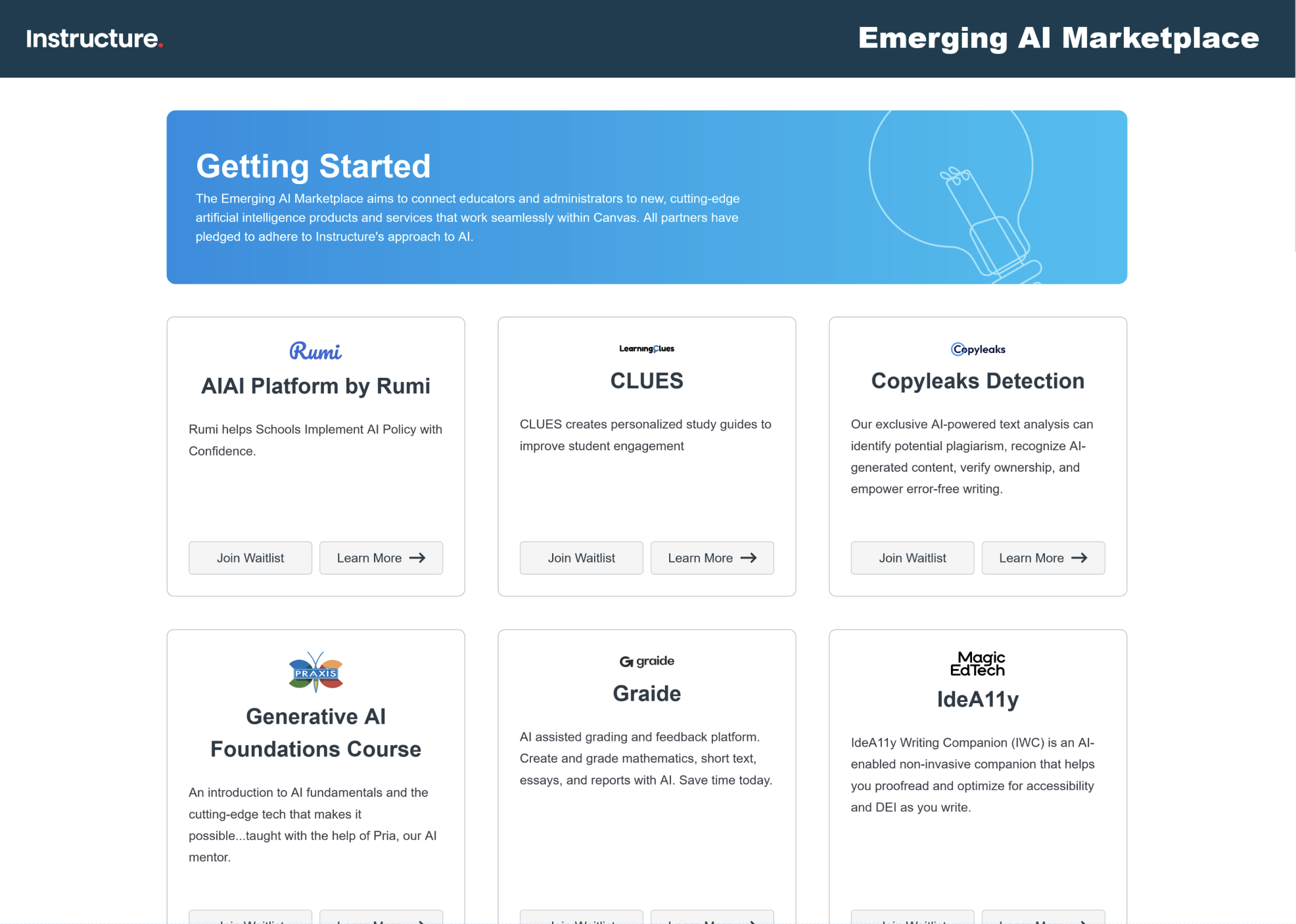
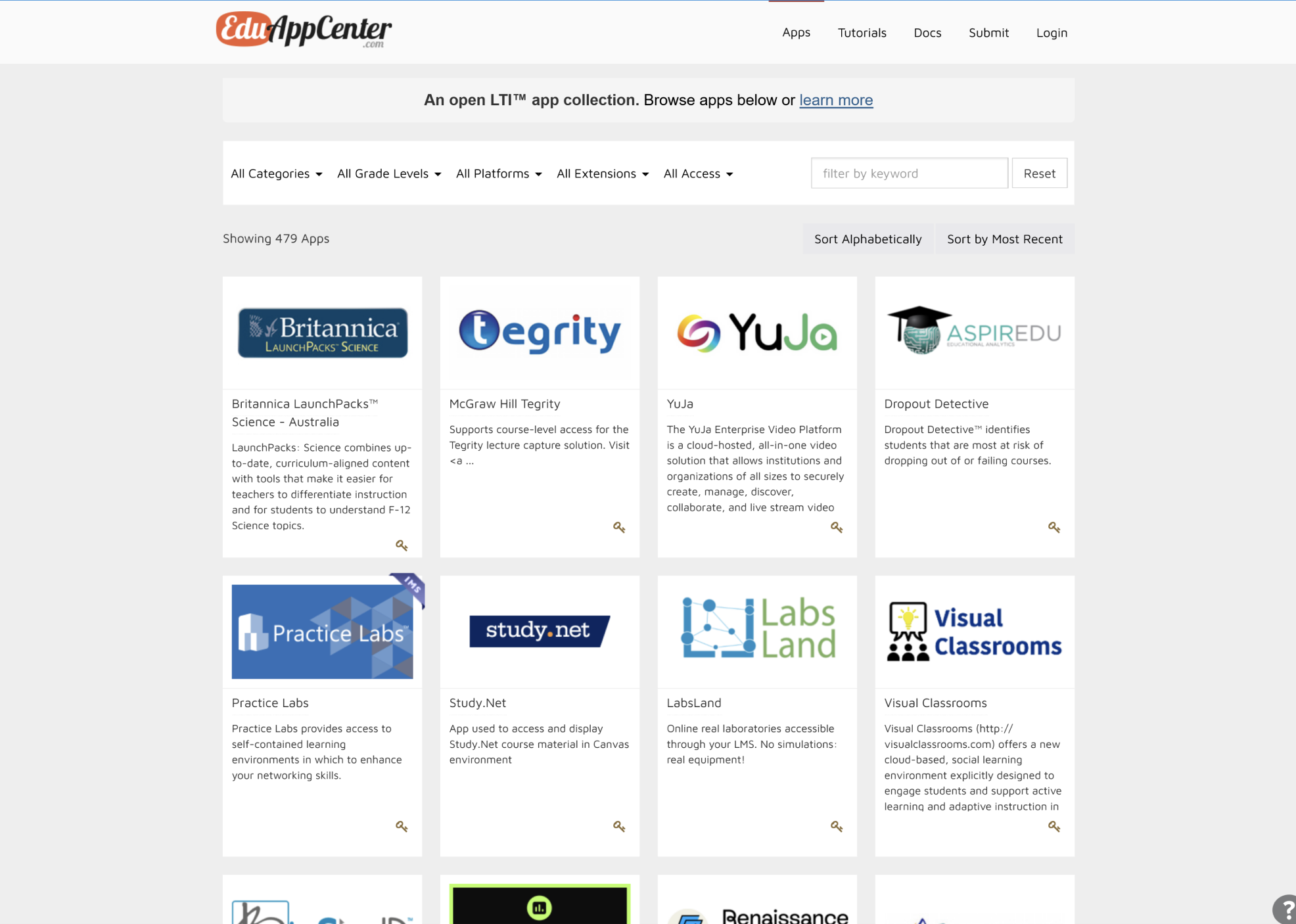
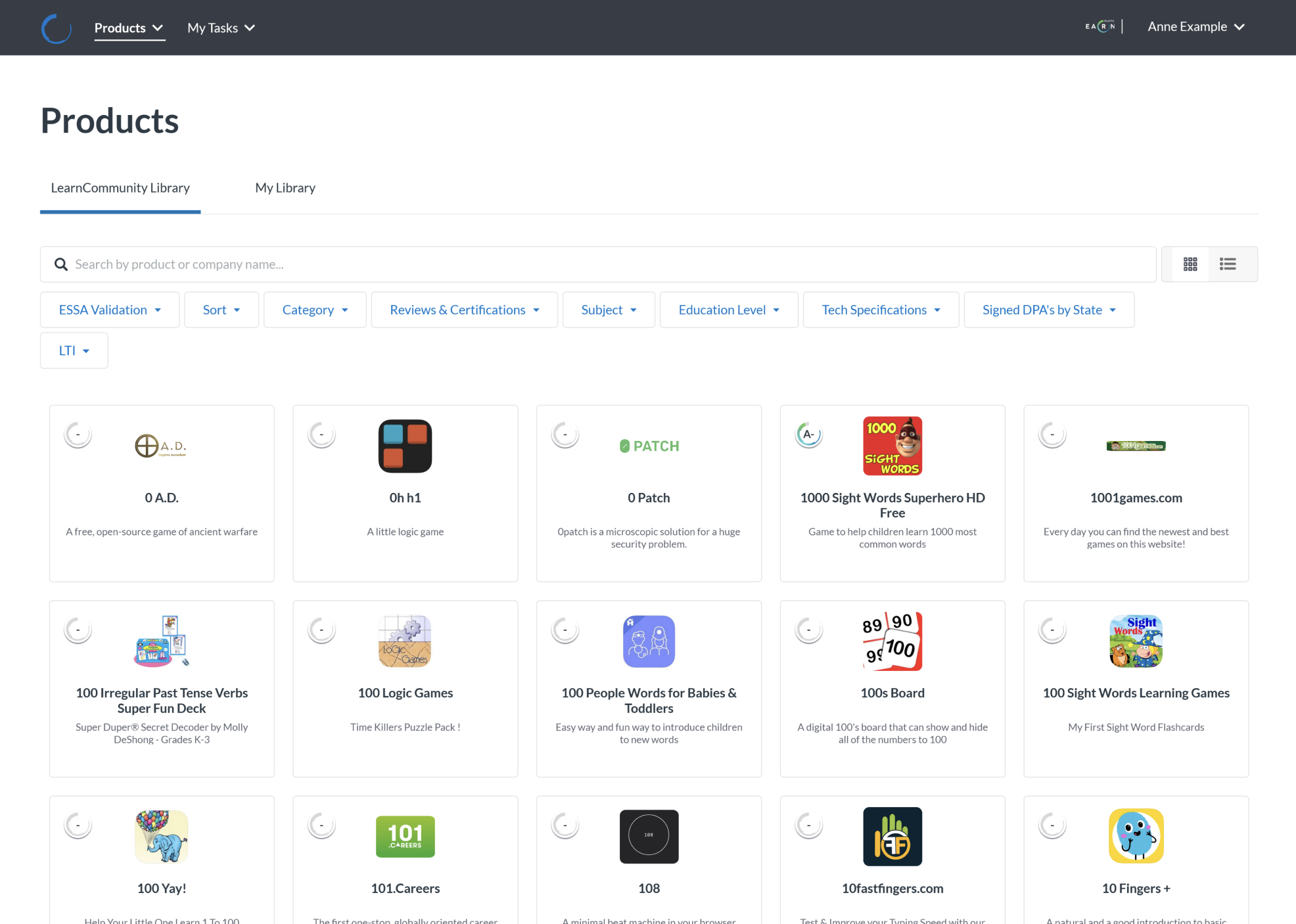
Catalog consolidation, provider workflows, and the legacy transition had to advance together.
The transition
was part of
the product.
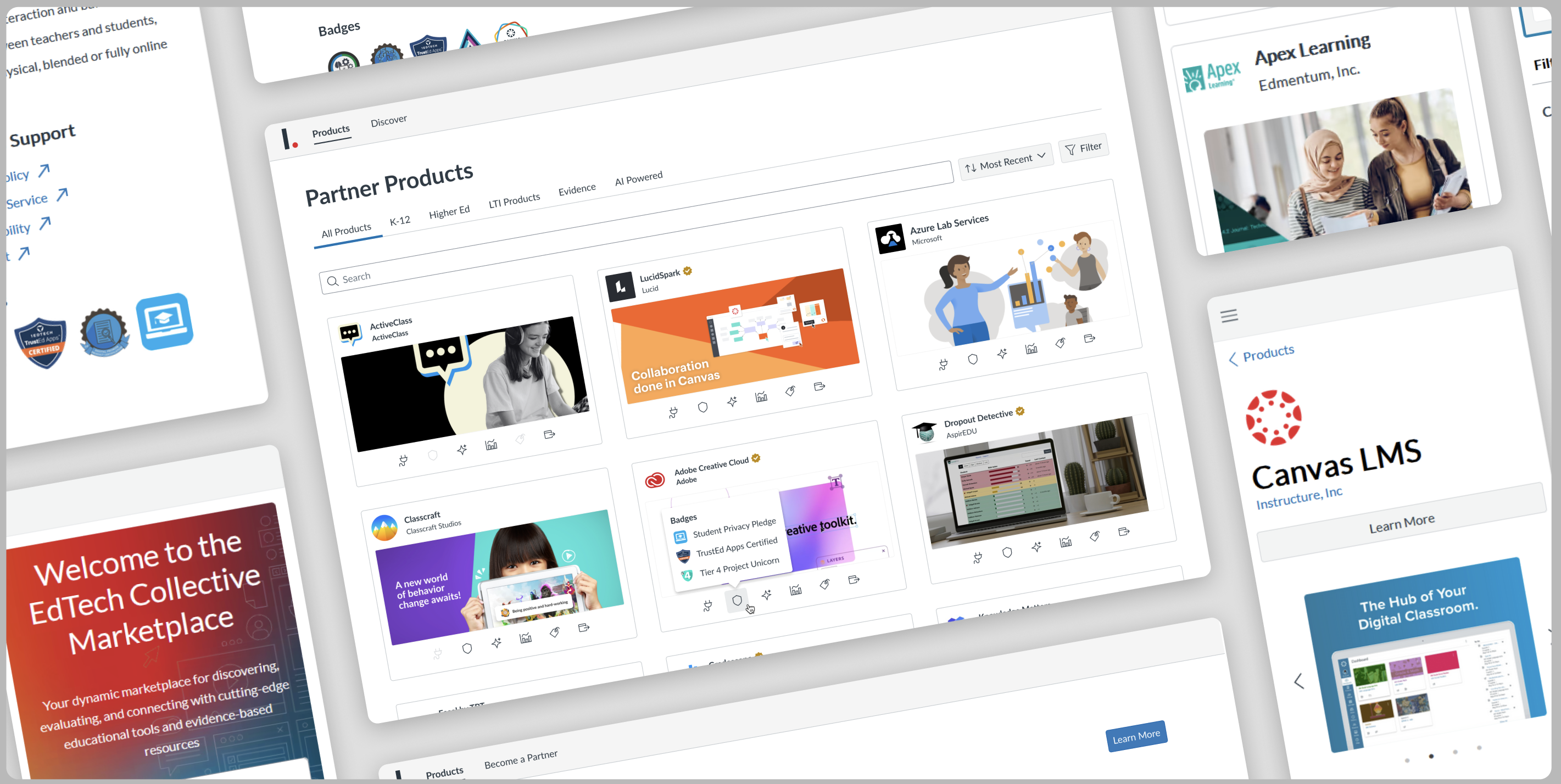
Legacy data continued into the shared backend during the sunset period. The Marketplace launched alongside the sunsetting of Edu App Center.
AData + publishing
Bring the catalog together.
We audited the existing repositories and brought product information into a shared catalog. A foundational API supplied LearnPlatform data for filters, badges, images, and tags.
Publishing rules and partner recognition
Publishing rules and provider-partner recognition connected the underlying records to what appeared in the Marketplace. The aim was a consistent, current listing experience across the new surfaces.
BDiscovery + delivery
Coordinate the moving parts.
I connected research and concept testing to requirements, then coordinated delivery across the catalog, provider workflows, and the public Marketplace.
Connected delivery work
Provider listing management, marketing assets, and lead capture had to work with the new catalog. Public discovery and the planned premium experience also needed a shared product foundation.
CTransition + continuity
Carry the data through.
Legacy-source data was rerouted into the shared backend during the sunset period. The new experience and the transition away from existing ones were connected work.
Provider access during the transition
This joined catalog consolidation with the provider experience and the Marketplace launch. The product work included how people reached and maintained listings as the ecosystem changed.
DSunsetting + operations
Sunset Edu App Center.
The public Marketplace launched alongside the sunsetting of Edu App Center. Reducing fragmented discovery also meant reducing the operational burden of separate environments.
What the sunsetting scope included
Consolidating three sources and retiring a legacy product are distinct parts of the story. The documented launch identifies Edu App Center in the sunsetting work; it does not establish that all three repositories were retired.
Make the requirements inspectable.
The public discovery plan connects research themes with structure, priorities, and open questions.
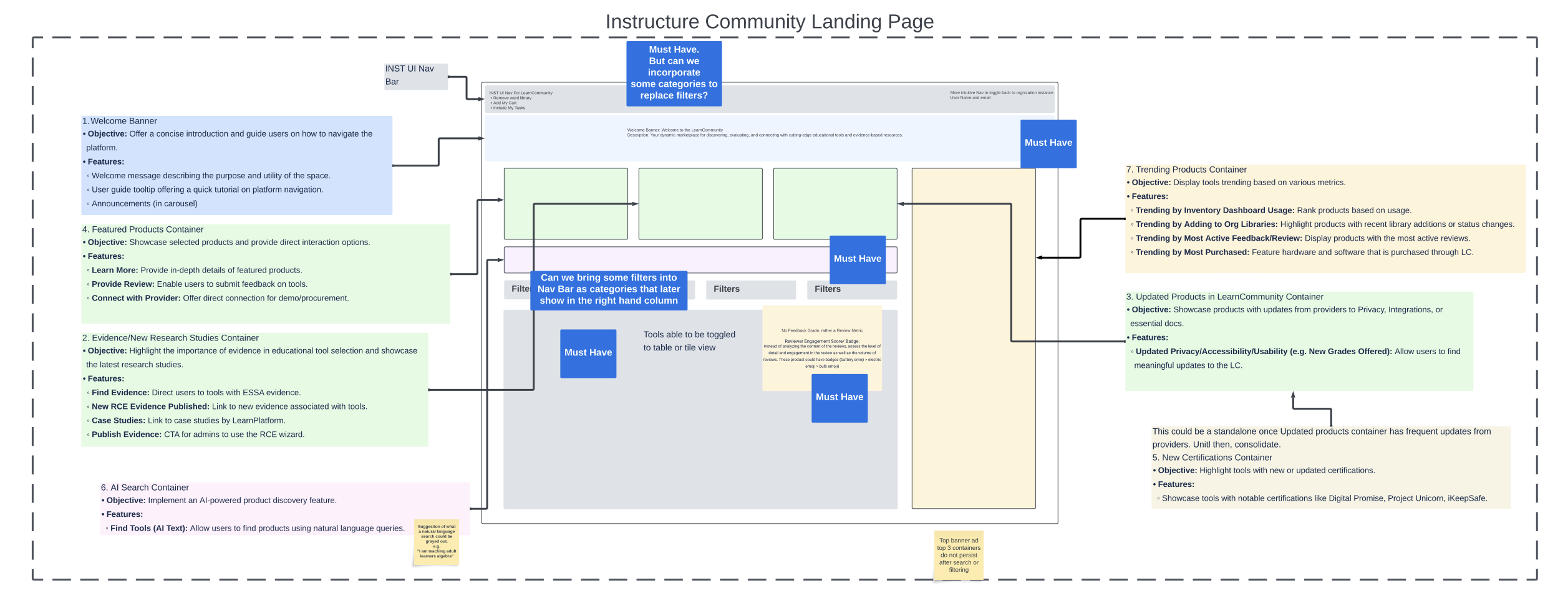
The planning artifact connects research themes to page structure, priorities, and open questions. Exploratory features remain part of the planning record.
Inspect original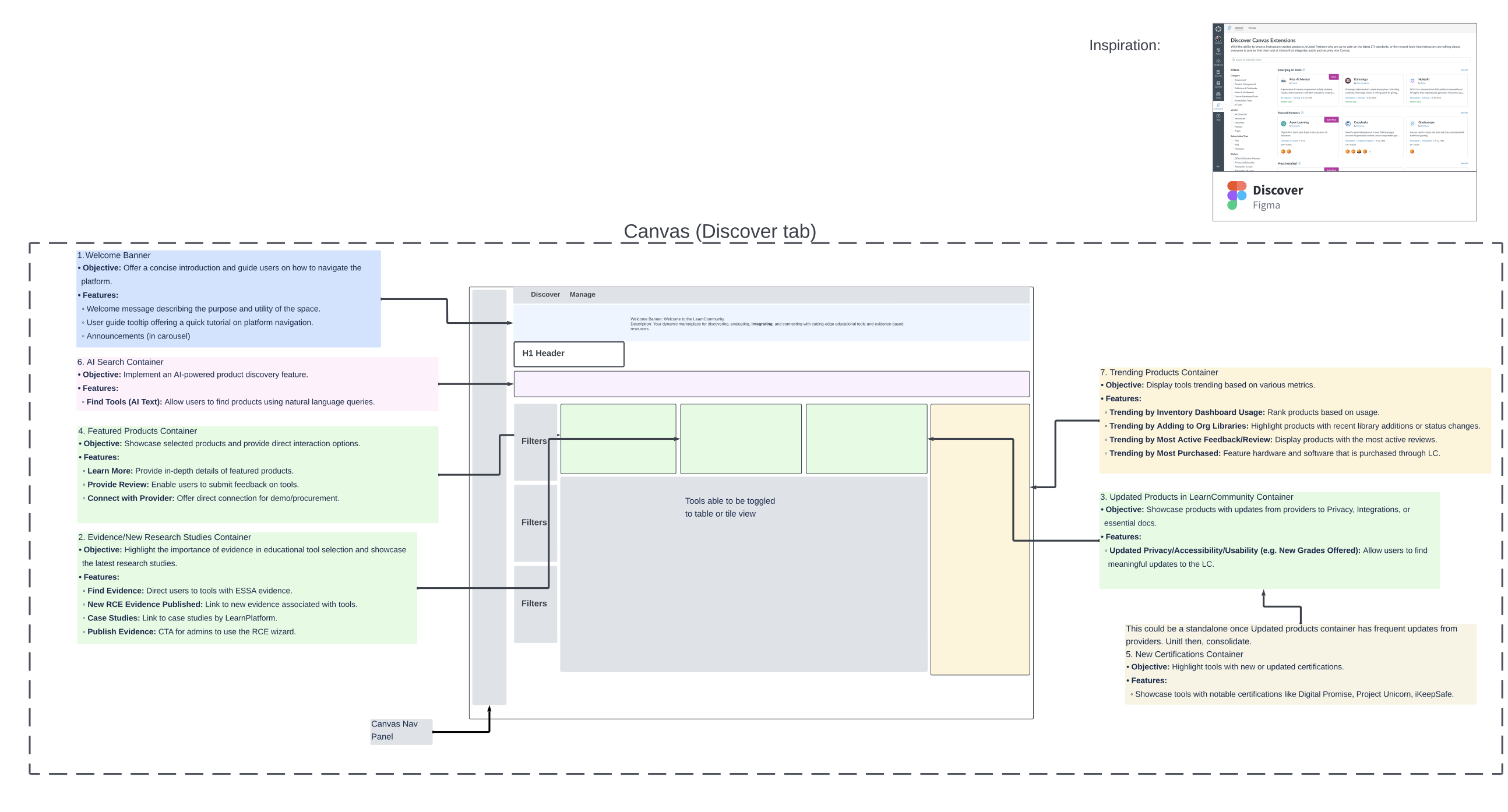
An in-platform concept explores another surface for the shared product information. This is a planning artifact, not a claim that every pictured feature shipped.
Scroll to explore
Continue to ImpactA shared destination.
Less fragmented work.
- Edtech Marketplace
- #1
- Largest private catalog of interoperable edtech tools
- Partner-listing growth
- 102%
- Reported over five months
- Partnership revenue
- $2M+
- Reported in the first year
- User sentiment
- +95%
- Positive reception from interviewed users
- Maintenance effort saved
- 40+ hr/wk
- Across separate environments
Three catalogs brought together.A stronger foundation
for both sides.